Introduction: A Glimpse into Luxury Living in Baneshwor
Nestled in the heart of Kathmandu, Baneshwor is fast becoming a hub for modern residential architecture. In this exclusive house tour, we walk you through a stunning Rs 3 crore home built by GharNaksa for a Non-Resident Nepali (NRN) client. This residence blends contemporary design with traditional Nepali hospitality, offering a perfect sanctuary for families living abroad who wish to return to a home that matches international standards. From the grand wooden entrance to the rooftop terrace, every detail speaks of craftsmanship and thoughtful planning.
Exterior and Entrance: First Impressions Matter
The house features a robust MS steel gate leading to a dedicated parking area. The main entrance door is crafted from high-quality wood, a choice that resonates with Nepali culture where wooden doors symbolize warmth and tradition. The door measures 4 feet by 8 feet, providing a grand welcome. As you step inside, a small lobby with shoe racks and a guest bathroom greets you, ensuring functionality without compromising aesthetics.
Exterior Finishing: Why Clay Tiles (Fomi) Are a Game-Changer
For the exterior walls, the team opted for clay tiles (locally known as ‘fomi’) instead of conventional ceramic tiles. These clay tiles offer better temperature resistance, reducing the risk of cracking due to expansion and contraction. They come in various textures and colors, giving the facade a unique, modern look. While they are slightly more expensive (around Rs 680 per square foot compared to Rs 220 for standard tiles), their 30-year lifespan and easy replacement make them a cost-effective choice in the long run. This is particularly important in Kathmandu’s monsoon climate, where moisture can damage lesser materials.
Ground Floor: Open Living and Modern Kitchen
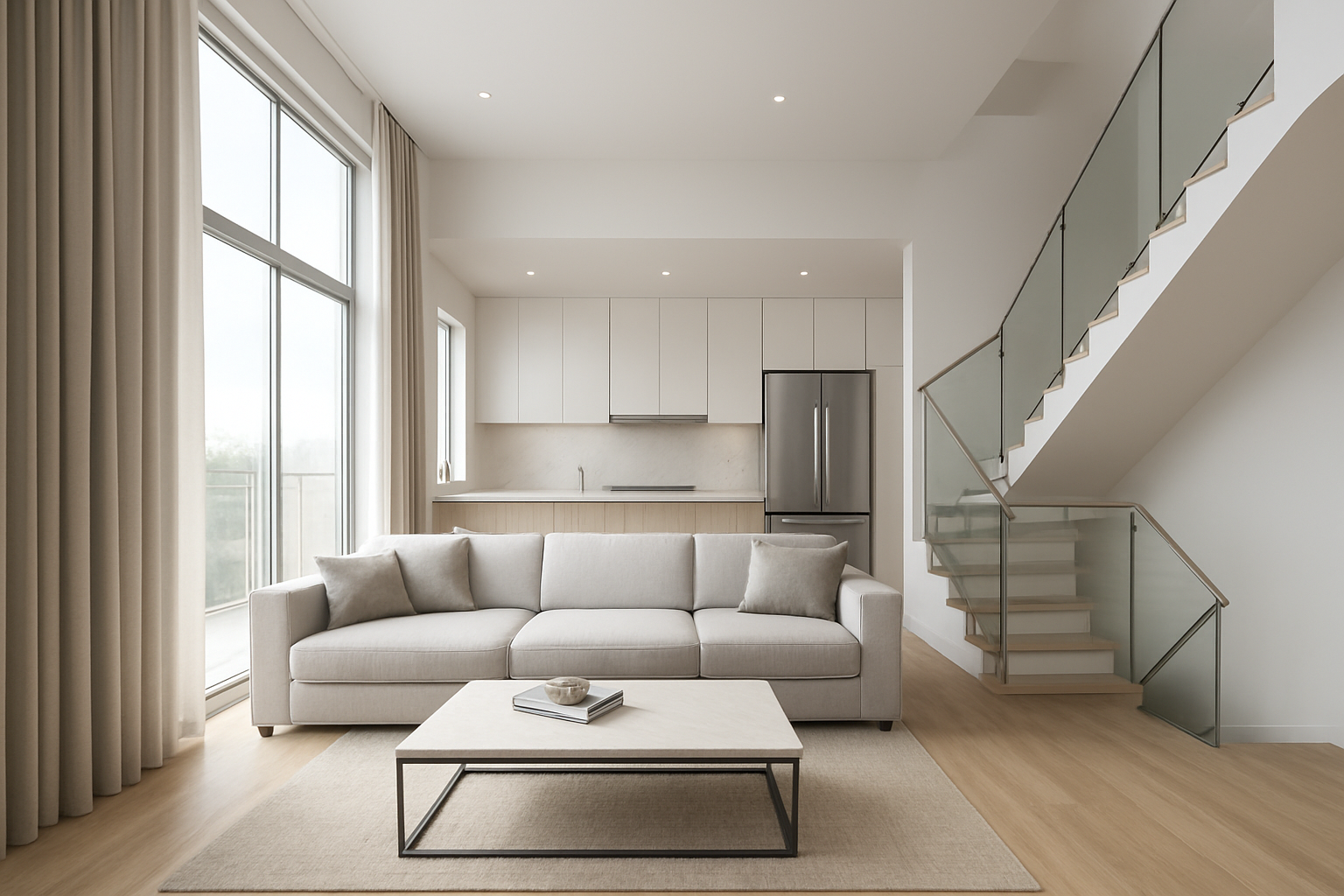
The ground floor is designed around an open-concept layout. The living room boasts a double-height ceiling (10 feet slab-to-slab, with 8.5 feet clear height after false ceiling), creating an airy and spacious environment. Large toughened glass windows and full-height curtains enhance the sense of openness. The modular kitchen is a highlight, featuring A-grade plywood, waterproof boards, and termite-proof materials. The countertops are finished with quartz, and the cabinets use formica laminate for durability. A pantry area provides additional storage, making the kitchen both functional and stylish.
Flooring and Waterproofing: Built for Nepal’s Climate
Throughout the house, laminate tiles (8mm thick) are used for flooring. To prevent seepage and water damage, a membrane sheet is laid beneath the tiles, especially on terraces. Expansion joints are incorporated to allow for thermal movement, reducing the risk of tiles cracking during temperature fluctuations. This level of detail is crucial in Kathmandu’s varied climate, ensuring the flooring remains intact for years.
First Floor: Bedrooms with Attached Baths and Family Room
The first floor houses two bedrooms with attached bathrooms. The master bedroom measures 14×12 feet, while the second is slightly larger at 16×12 feet. Each room includes a walk-in closet and a study table area. The bathrooms feature wall-mounted commodes, enclosed showers, and separate wet and dry areas. A highlight of this floor is the family room, which overlooks the double-height living room below, allowing natural light to flood the space. This design fosters connection between floors while maintaining privacy.
Second Floor: Master Suite with Walk-In Closet and Private Balcony
The second floor mirrors the first but with upgraded finishes. The master suite includes a full walk-in closet with space for makeup and dressing, plus a private balcony accessible from the bedroom. The bathroom features hydraulic closets and a floating bed, adding a touch of modernity. A skylight with toughened glass (walkable) brings in additional light, creating a bright and inviting atmosphere.
Third Floor: Entertainment Hub with Jacuzzi and Bar
The third floor is designed for entertainment and relaxation. It includes a large hall for gatherings, a second kitchen (ideal for Nepali feasts like ‘bhoj’), and a Jacuzzi room with frosted glass for privacy. The Jacuzzi area has a step-down design to manage water flow, with proper sloping for drainage. A bar area, complete with storage for wine and spirits, caters to the client’s love for Japanese and Nepali wines. Additionally, a common bathroom with shower and a washing machine area ensure practicality.
Plumbing and Water Management: Smart Solutions for NRN Homes
Given that the client resides in Japan, the house is equipped with floor-wise plumbing systems. Each floor has independent hot and cold water lines, allowing isolation of any floor without disrupting others. This is particularly useful for maintenance. The water supply is managed through a 1000-liter underground tank and a borewell with filtration to prevent clogging of wall-mounted fittings. Solar water heating is planned for future integration, reducing energy costs.
Rooftop Terrace: Outdoor Living with a View
The rooftop terrace offers panoramic views of the surrounding hills. It features granite flooring with anti-slip grooves, ensuring safety during monsoon. The terrace is accessible via a staircase with steel railings and profile lighting. A small puja room is also included, honoring Nepali traditions. The terrace serves as an ideal space for morning exercise or evening relaxation.
Cost Breakdown: Understanding the Rs 3 Crore Investment
The total built-up area is approximately 5,050 square feet. The structural cost was around Rs 1.5 crore, with finishing and interior works adding another Rs 1.5 crore, totaling Rs 3 crore. This translates to roughly Rs 5,940 per square foot, which is competitive for a luxury home in Kathmandu. The client, Mr. Naresh Tannukal, expressed satisfaction with the quality and timeline, noting that despite some delays due to his travel, the project was completed in about 1.5 years.
Frequently Asked Questions
1. What is the total cost of this house?
Q: What is the total cost of this house?
A: The total cost of the house is approximately Rs 3 crore, including structure and finishing. The built-up area is about 5,050 square feet.
2. Why did you choose clay tiles (fomi) for the exterior?
Q: Why did you choose clay tiles (fomi) for the exterior?
A: Clay tiles offer better durability against temperature changes, have a 30-year lifespan, and provide a modern aesthetic. They are also easier to replace individually if damaged.
3. What type of windows and doors are used?
Q: What type of windows and doors are used?
A: The house uses UPVC windows and sliding doors for better soundproofing and UV protection. The main entrance door is wooden, measuring 4×8 feet.
4. How is the plumbing designed for maintenance?
Q: How is the plumbing designed for maintenance?
A: Plumbing is floor-wise, with independent lines for each floor. This allows isolation of a single floor without affecting others, making repairs easier.
5. Is this house suitable for NRN families?
Q: Is this house suitable for NRN families?
A: Yes, the design incorporates features like a second kitchen for large gatherings, a bar area, and a Jacuzzi, catering to the lifestyle of NRN families who value both tradition and luxury.
Conclusion: Your Dream Home Awaits
This Baneshwor house tour showcases how GharNaksa can turn your vision into reality. Whether you are an NRN looking to build a retirement home or a family seeking modern comfort, our team delivers quality, functionality, and style. Contact us today to start your journey towards a home that reflects your aspirations.