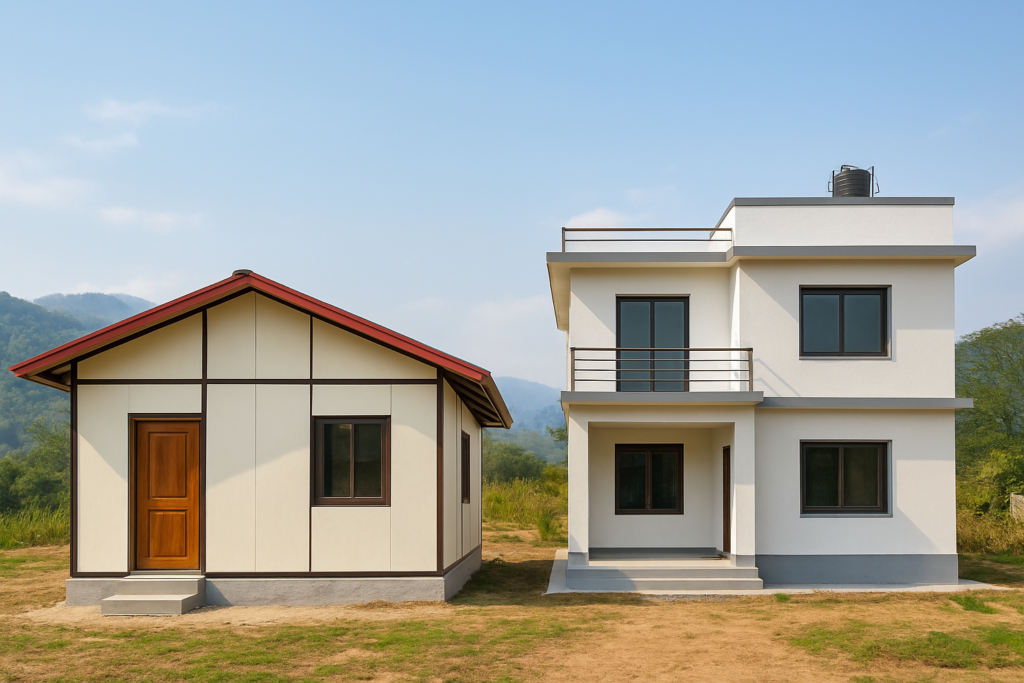
Is Building a House in Kathmandu Your Dream? Let’s Talk About It
If you’re an NRN (Non-Resident Nepali), the idea of building a home back in Kathmandu is probably never far from your mind. It’s more than just construction—it’s about creating a legacy, a place where your heart can return. But let’s be real: managing a build from thousands of miles away feels daunting. You hear stories of delays, budget blowouts, and confusing regulations. That’s why I sat down with a fellow civil engineer to get the real, on-the-ground insights you need. In this post, I’m expanding on my latest YouTube interview, sharing the practical tips and local know-how that will help you build confidently.
If you haven’t watched the full video yet, head over to my YouTube channel—I promise it’s worth your time. But for now, let’s dive into the key takeaways.
Why Building in Kathmandu Is Different (and Why Experience Matters)
Kathmandu isn’t just any city. We’re talking about a valley with rich cultural heritage, but also with unique challenges. Earthquakes are a reality, the monsoon tests every structure, and local building practices have evolved over centuries. If you’re bringing Western construction ideas, you might be in for a surprise. That’s where the National Building Code (NBC) comes in.
Understanding NBC: Your Safety Net
The NBC is a set of rules that all construction in Nepal must follow. It covers structural safety, fire protection, sanitation, and more. But the most critical part for you is the seismic design. Kathmandu falls in a high seismic zone, so your house must be engineered to sway and absorb shocks. In the interview, my engineer guest emphasized that cutting corners on structural design isn’t an option. When we work with NRN clients, we always make sure the design meets or exceeds NBC standards. It’s not just about compliance; it’s about your family sleeping safely.
Monsoon: The Season That Demands Respect
From June to September, the rains pour. If your construction isn’t planned around the monsoon, you’ll face delays, water damage, and quality issues. We discussed how proper drainage, waterproofing, and scheduling are non-negotiable. For instance, never pour concrete in heavy rain unless you’re prepared with covers and additives. My advice? Start your build in the dry months (October to May) to keep things moving smoothly. Small details like foundation depth and water-resistant plaster make a huge difference.
Key Insights from the Engineer Interview
The video touches on several technical points that might have gotten lost in the music breaks—yes, I love a good soundtrack! But here’s what really matters.
Heat Resistance: Keeping Your Home Cool
Kathmandu’s summers are getting warmer. In the interview, we talked about “heat resistance.” This isn’t just about air conditioning; it’s about building smart. Simple techniques like using double-brick walls, insulating the roof, and choosing reflective paint can lower indoor temperatures dramatically. The engineer explained how modern materials, combined with traditional ventilation designs, can slash your cooling needs. Think of it as a long-term investment in comfort. If you see the video, around the segment where we inspect a wall section, you’ll notice us pointing out the insulation layer—that’s the practical detail we love sharing.
Those Numbers You Heard: 20 Inches, 18 Inches, 3-4 Inches
During the walkthrough, you might have caught us throwing around dimensions. Let me clarify: in typical Kathmandu residential buildings, external walls are often around 20 inches thick for load-bearing masonry, providing both strength and thermal mass. Internal partition walls can be 3 to 4 inches, saving space while still functional. The 18-inch measurement might come from a foundation footing or a sturdy parapet wall. These aren’t random; they’re the result of years of fine-tuning for seismic and climate resilience. When you’re discussing your plans with a contractor, knowing these numbers helps you ask the right questions.
Managing Your Build from Abroad: NRN-Friendly Strategies
I get it. Time zones, language barriers, and trust issues make remote construction stressful. Here’s how you can stay in control without losing sleep.
- Regular Video Updates: Insist on daily or weekly video calls where your site supervisor walks you through progress. It’s not just about photos—ask them to show close-ups of rebar, concrete mixing, and waterproofing.
- Local Engineer Partner: Hire an independent civil engineer (like us!) to audit the work. We are your eyes and ears, ensuring quality even when you’re not there.
- Clear Payment Milestones: Tie payments to verified stages: foundation completed, slab cast, walls up, roofing done. Never pay large sums upfront. Remit through secure channels.
- Understand the Culture: Building in Nepal relies heavily on relationships. A friendly rapport with your contractor can solve problems faster than any contract. Trust, but verify—with data.
Remember, your remittance is more than money; it’s your future. We treat every rupee with the respect it deserves.
What Does It Cost? A Reality Check
I wish I could give you a single number. But cost varies wildly based on location in the valley, land condition, material quality, and finishes. In the interview, we avoided pinning a price because no honest engineer can do so without seeing the land. That said, what you should focus on is a transparent budget. Break it down into structural work, finishing, and unexpected contingencies (always 10-15% extra). For NRNs, consider the exchange rate advantage, but don’t let it fool you into overspending on non-essentials. Prioritize structure and longevity over lavish tiles.
Your Top Questions Answered
What are the most critical building codes in Kathmandu I should know?
The Nepal Building Code (NBC) 105 for seismic design is the big one. Your engineer must follow it. Also, NBC 1: for general building requirements, and NBC 2: for reinforced concrete work. If your contractor says “we have always built this way,” ask for calculations. Safety first.
How do I ensure quality construction when I’m abroad?
Hire a local supervision engineer who sends you daily reports with photos and test results (soil test, concrete slump test). Use video calls to inspect formwork and reinforcement before concrete is poured. A small investment in third-party monitoring saves major heartache.
What’s the ideal wall thickness for earthquake resistance?
For load-bearing brick walls, 16 to 20 inches is common. But thickness alone isn’t enough; you need proper bonds and reinforcement (like lintel bands and sill bands). For framed structures, 9-inch walls with seismic bands are typical. Always consult your structural designer.
How does monsoon affect construction and how can I prepare?
Monsoon can stop work for days. Schedule major concrete pours in dry months. Use tarpaulins and ensure your site has good drainage. If you must work during rain, use water-reducing admixtures and protect freshly laid concrete. Plan roof construction before the rain hits.
Should NRNs buy materials themselves or trust the contractor?
A hybrid works best. Procure high-value items (cement, steel) through a trusted supplier, ideally with your engineer’s advice. Let the contractor handle local bricks and aggregate, but insist on quality checks. Never give a lump sum without a detailed material list.
Ready to Build? Let’s Make It Happen Together
Building your home in Kathmandu is one of the most rewarding journeys you’ll ever take. But it doesn’t have to be a lonely one. As a civil engineer who understands both your NRN perspective and the local on-ground reality, I’m here to bridge the gap. The video interview is just a taste—there’s so much more to share.
If you found this post helpful, please subscribe to my YouTube channel for more behind-the-scenes content and expert interviews. And when you’re ready to turn your dream into plans, visit aenishshrestha.com. Let’s chat about your project, no strings attached. Your home is waiting, and I’d love to help you build it safe, smart, and stress-free.